A tree outlives nearly every other decision you make about your yard. The shrub you buy on impulse can be dug up and moved next spring. A sixty-foot oak planted three feet from the driveway is a conversation you will be having for the next forty years. So it's worth spending an afternoon thinking before you spend an hour at the nursery. The best tree for your yard isn't the showiest one on the lot — it's the one that fits the space, the light, the soil, and the amount of care you're honestly willing to give it.
Start With the Space, Not the Tree
Every tag at the nursery lists a mature height and spread. Those numbers describe a tree grown in good conditions with room to reach its full size, and they are the only numbers that matter. Planting distance should be measured against the mature canopy, not the sapling in the pot.
As a rough working rule, keep a tree's expected spread away from the house, the garage, and the neighbor's fence. If a tree will eventually be thirty feet wide, plant it at least fifteen feet from anything you don't want shaded or scraped. Overhead utility lines are the other constraint people forget until a crew arrives with a chainsaw.
A quick size guide
- Small (under 25 feet): Japanese maple, dogwood, redbud, serviceberry, crabapple.
- Medium (25 to 50 feet): flowering cherry, magnolia, river birch, Japanese tree lilac, hop hornbeam.
- Large (50 feet and up): oak, sugar maple, linden, tulip tree, hickory.
Roots deserve their own thought. Willows, poplars, and silver maples are notorious for seeking water and can cause expensive trouble near sewer lines, foundations, and septic fields. That doesn't make them bad trees — it makes them trees for the back corner of a large lot.
Count the Hours of Sun
Plant labels use "full sun," "part shade," and "full shade," but those words mean different things to different growers. Translate them into hours. Six or more hours of direct sun is full sun. Three to six is part shade. Less than three is shade. Spend a clear day watching your intended spot and note when the sun arrives and when it leaves.
Quality matters as much as quantity. In hot climates, a tree that gets morning sun and afternoon shade often does better than one baking in six hours of western light. And check again in five years — the young maple you planted for shade may eventually shade out the sun-loving pine beside it.
Get to Know Your Soil (Roughly Is Fine)
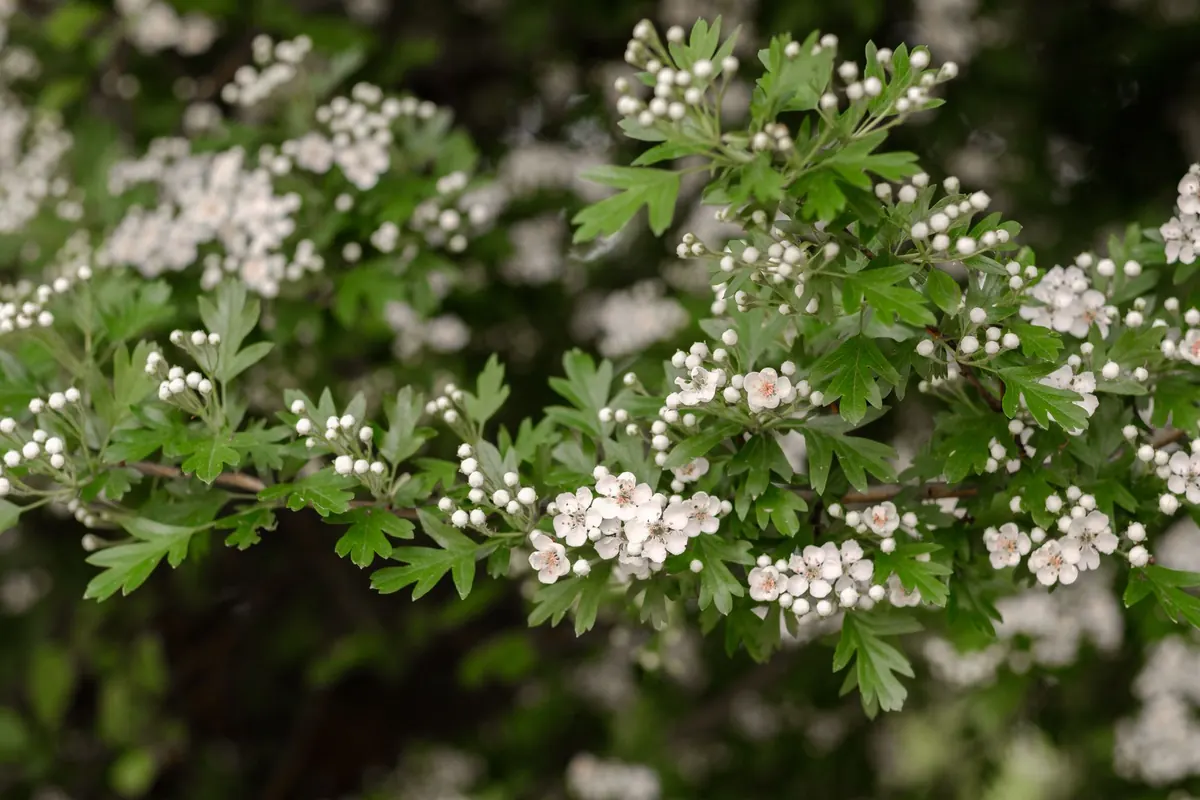
You don't need a lab to learn the basics. Dig a hole about a foot deep, fill it with water, and watch. If it drains away within a few hours, you have reasonable drainage. If it's still full the next morning, you have heavy clay or a compacted layer, and you should choose species that tolerate wet feet: river birch, bald cypress, serviceberry, or hawthorn.
For texture, fill a quart jar one-third with soil, top it with water, shake it hard, and let it settle overnight. Sand lands on the bottom, silt in the middle, clay on top. A simple pH kit will tell you whether you're acidic, neutral, or alkaline.
Here's the part that surprises new gardeners: don't fill the planting hole with rich compost. A tree planted in a pocket of fluffy soil tends to keep its roots circling in that pocket instead of reaching into your native ground. Plant in the soil you have and mulch the surface instead.
Choose a Tree You Can Actually Maintain
Be honest about your schedule. A tree that needs annual spraying, constant pruning, or daily watering through July is a poor match for most people, no matter how beautiful it is in photographs.
Traits worth favoring:
- Native or well-adapted to your region
- Known resistance to the pests and diseases common where you live
- Slow to moderate growth, which usually means stronger wood
- Fruitless or seedless cultivars where mess matters
- A single strong leader and good branch angles
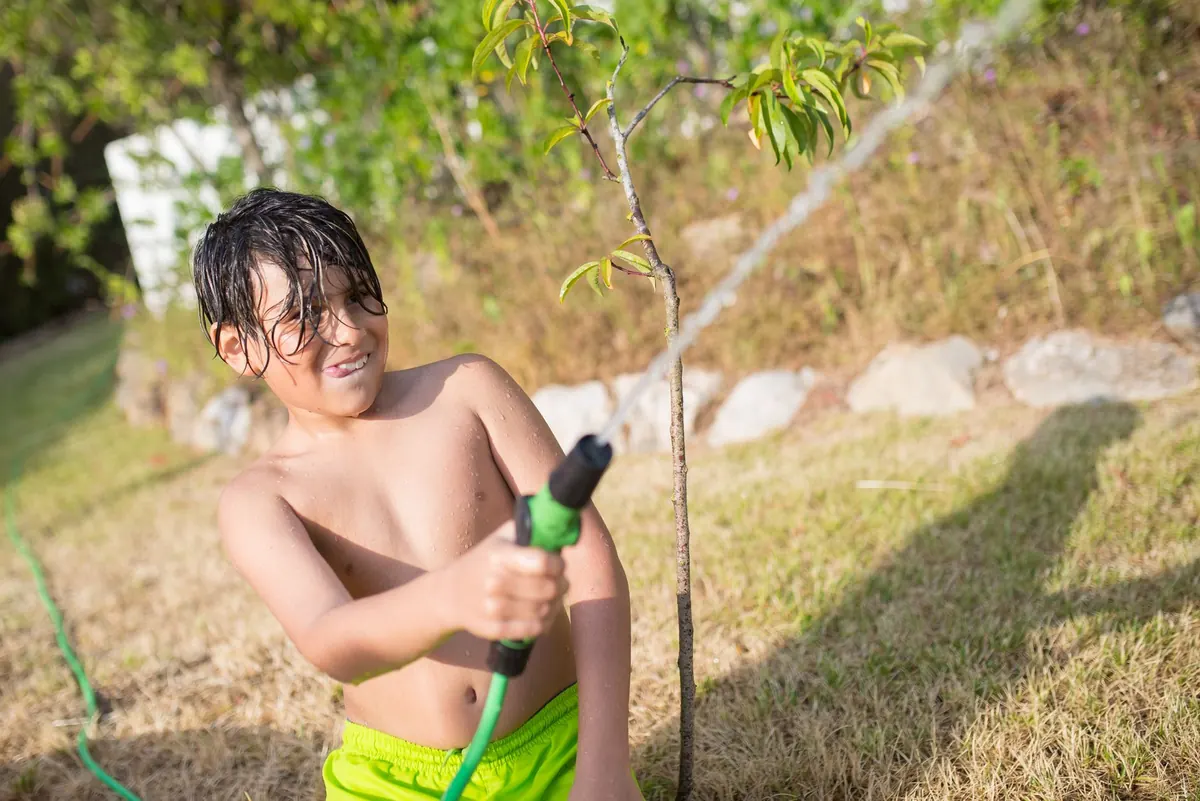
Plan on watering deeply about once a week — roughly an inch — for the first two years, longer in drought. After that, a well-chosen tree should largely take care of itself. Young trees also benefit from light structural pruning in late winter, but only if you know what you're cutting; a bad cut lasts a long time.
What the Tree Will Drop, and Where
Every tree litters. The question is whether what it drops bothers you. Sweetgum balls under a bare foot, mulberries staining a white car, ginkgo fruit on a walkway, and squishy ornamental fruit on a patio are all avoidable problems. If the tree will overhang a driveway, deck, or play area, choose something with small, dry seed or no fruit at all. If it will stand at the edge of a wilder corner, you can be much more relaxed.
Buying and Planting: The Details That Matter
Most trees are sold bare root, in containers, or balled-and-burlapped. Bare root stock is light, inexpensive, and establishes quickly when planted in early spring while dormant. Container trees are available all season. Balled-and-burlapped trees are heavy but often larger.
Whatever you buy, inspect it. Find the root flare — the spot where the trunk widens into the roots — and make sure it isn't buried in the pot. Reject anything with circling roots, a gouged trunk, or roots growing out of the drainage holes. When planting, dig a hole two to three times as wide as the root ball but no deeper than the roots, set the flare at or slightly above soil level, backfill with native soil, water thoroughly, and mulch two to three inches deep, keeping mulch a few inches away from the trunk. Fall planting suits mild-winter regions; early spring is safer where winters bite hard.
A Last Look Before You Dig
Run through this list while the tree is still in the pot, not after your back is sore.
- Stake out the mature canopy width and stand inside it. Does it conflict with anything?
- Confirm the sun hours at that exact spot.
- Check drainage and, if you can, soil pH.
- Decide whether you can live with the litter it will produce.
- Call your local utility locating service — 811 in the United States — before you break ground.
Get those five things right and the rest is patience. A well-sited tree asks almost nothing of you after the second summer, and it keeps paying you back long after the fence has been replaced and the vegetable beds have been redrawn.
Photo: Kampus Production / Pexels