A tree planted in a lawn spends its life competing for water. Grass roots are shallow and greedy, and they usually win. A proper mulch ring changes that in an afternoon, and it keeps paying you back: cooler soil in a July heatwave, fewer weeds to pull, no string trimmer nicking the bark, and a slow steady trickle of organic matter feeding the worms and fungi below. The catch is that mulch is easy to do badly. Piled into a cone against the trunk, it can smother a tree over a few seasons. Spread too thin, it does almost nothing. Here is how to get it right the first time.
What Mulch Actually Does for a Tree
Mulch is not decoration. A three-inch layer of bark or wood chips slows evaporation so roots stay evenly moist instead of swinging between drought and flood. It buffers soil temperature, keeping roots cooler in summer and reducing the freeze-thaw cycling that heaves young plants out of the ground in late winter. It blocks weed seeds from the light they need. Over time, the bottom layer breaks down and earthworms pull it into the soil, improving structure and drainage.
There is also the matter of physical protection. Mower decks and string trimmers strip bark from trunks in a wound that never quite heals, and repeated nicks open the door to disease. A mulch ring widens the buffer zone so you push the mower past the tree instead of wrestling it around the base. That alone justifies the effort.
Choosing a Mulch: What the Options Really Offer
Almost any organic material works if you apply it correctly. The differences are mostly about texture, how fast it breaks down, and how it looks.
Wood and bark products
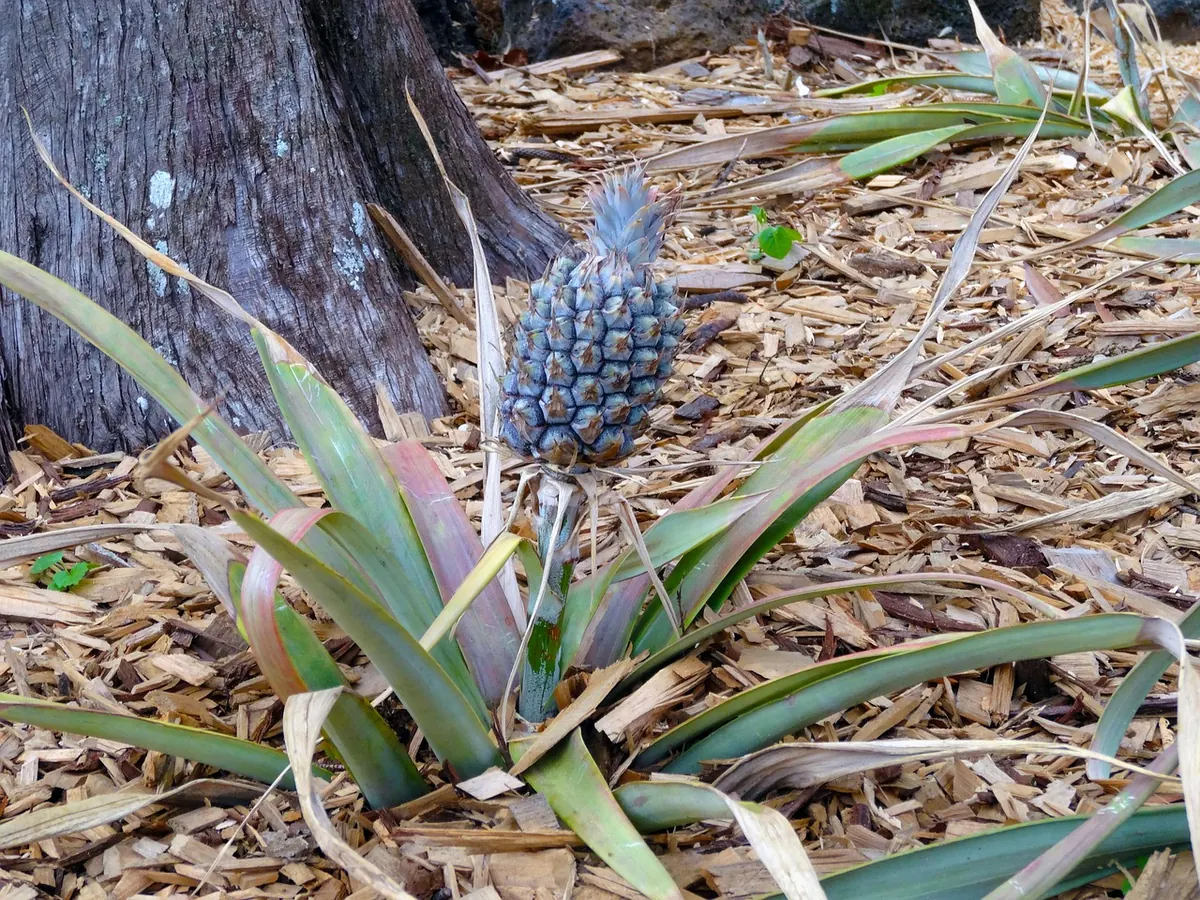
Shredded bark, pine bark nuggets, and arborist wood chips are the standards around trees and shrubs. They are coarse, so they last two to four years, and they interlock to resist wind and rain. Nuggets look tidy but tend to float away on a slope. Fresh chips from a tree service are excellent and often free; keep them on the surface rather than digging them into soil, where their decomposition can temporarily tie up nitrogen.
Compost, leaf mold, and pine needles
Compost and shredded leaves are fine-textured and feed the soil quickly, but they knit into a mat that can shed water. Use a thinner layer, an inch or two, and fluff it with a rake every few months. Pine needles are light, acidic, and slow to compact — ideal under shrubs, though they blow around in exposed spots. Straw is cheap but coarse, ugly after rain, and attractive to rodents; it suits a vegetable bed better than a front-yard shrub border.
Inorganic options
Gravel and stone are permanent and won't decompose, but they hold heat, do nothing for soil biology, and are miserable to remove if you change your mind. Rubber mulch lasts a long time and is best kept away from edible plantings. If you use a dyed wood mulch, buy from a source you trust; undyed material removes the question entirely.
Depth and Width: Where Most People Miss
Two to four inches of coarse mulch is the target. Fine materials like compost, leaf mold, or aged manure should sit shallower, around one to two inches, because they hold more water and pack down. More is not better. Beyond four inches, you start to smother roots, trap moisture against bark, and create habitat for rodents.
Width matters as much as depth. Aim to cover at least the area under the canopy — out to the drip line — and wider for young trees. A tree in the middle of a lawn benefits from a mulch ring several feet across, because the roots that take up water and nutrients extend well beyond the canopy. For shrubs, mulch the full bed rather than a narrow collar around each stem; a continuous bed is easier to maintain and looks better.
How to Apply It, Step by Step
- Clear the ground. Pull or smother grass and weeds in the area you plan to cover. A layer of plain cardboard or several sheets of newspaper under the mulch will kill turf without digging, as long as you overlap the edges and wet it down.
- Find the root flare. The trunk should widen as it meets the soil. If it disappears straight into the ground, the tree may already be planted too deep, and mulch will only make it worse.
- Water the root zone first. Mulch holds moisture in, so wet the soil before you cover it.
- Spread evenly. Work in small piles, rake them level, and taper the layer down to nothing right at the trunk.
- Leave a gap. Keep mulch two to six inches from the trunk, and pull it back from the graft union on grafted shrubs such as roses and many fruit plants.
- Settle and tidy. Water lightly so the material knits together, and feather the outer edge into the lawn rather than leaving a hard ridge.
The Mulch Volcano Problem
You have seen them: cones of mulch a foot high, mounded against trunks in parking lots and front yards. They are the most common way a well-meant mulch job goes wrong. Bark is not designed to stay constantly wet, and buried bark softens and dies. Moist mulch against a trunk also encourages fungal cankers and crown rot. In winter, deep mulch gives voles and mice a safe tunnel right up to the trunk, where they strip bark in a ring that can kill the tree outright. Mounded mulch can also encourage girdling roots that circle the trunk and strangle it years later.
Pests around the house follow the same logic. Deep mulch against a foundation or siding holds moisture against wood and shelters insects and rodents. Keep a foot of clear ground between mulch beds and any structure.
Maintaining the Ring Through the Year
Once the bed is in place, upkeep is light. Top up with an inch or less each spring, but check the existing depth first — layers add up faster than people expect. Rake the surface to break up mats and restore airflow, especially with fine mulches that have gone crusty and started repelling water. Refresh the edge with a spade for a crisp line. If your soil is dry under the mulch despite decent rain, push a finger in; if water is beading on the surface, rake it loose and water slowly until it soaks through.
If a tree is already showing dead branches, thin canopy, or mushrooms at the base, mulch alone will not fix it. That is a job for a certified arborist who can look at the whole picture.
A Small Job With a Long Return
Mulching correctly takes maybe twenty minutes per tree and costs far less than replacing one. Keep the layer two to four inches deep, keep it wide enough to matter, and keep it off the trunk. Do that, and the soil under your trees will be darker, crumbly, and full of worms within a season or two — and the plants above it will need less watering, less weeding, and less fussing from you.
Photo: kdvandeventer / Pixabay